PORTLAND, Maine (AP) — Loons are on the mend in Maine, filling more of the state's lakes and ponds with their haunting calls, although conservationists say the birds aren't out of the woods yet.
Maine is home to a few thousand of the distinctive black-and-white waterbirds — the East Coast’s largest loon population — and conservationists said efforts to protect them from threats helped grow the population. An annual count of common loons found more adults and chicks this year than last, Maine Audubon said this week.
The group said it estimated a population for the southern half of Maine of 3,174 adult loons and 568 chicks. Audubon bases its count on the southern portion of Maine because there are enough bird counters to get a reliable number. The count is more than twice the number when they started counting in 1983, and the count of adults has increased 13% from 10 years ago.
“We’re cautiously optimistic after seeing two years of growing chick numbers,” said Maine Audubon wildlife ecologist Tracy Hart. “But it will take several more years before we know if that is a real upward trend, or just two really good years.”
Maine lawmakers have attempted to grow the population of the loons with bans on lead fishing tackle that the birds sometimes accidentally swallow. Laws that limit boat speeds have also helped because they prevent boat wakes from washing out nests, conservation groups say.
It's still too early to know if Maine's loons are on a sustainable path to recovery, and the success of the state's breeding loons is critical to the population at large, Hart said. Maine has thousands more loons than the other New England states, with the other five states combining for about 1,000 adults. The state is home to one of the largest populations of loons in the U.S., which has about 27,000 breeding adults in total.
Minnesota has the most loons in the lower 48 states, with a fairly stable population of about 12,000 adults, but they are in decline in some parts of their range.
While loons are not listed under the U.S. Endangered Species Act, they are considered threatened by some states, including New Hampshire and Michigan. The U.S. Forest Service also considers the common loon a sensitive species.
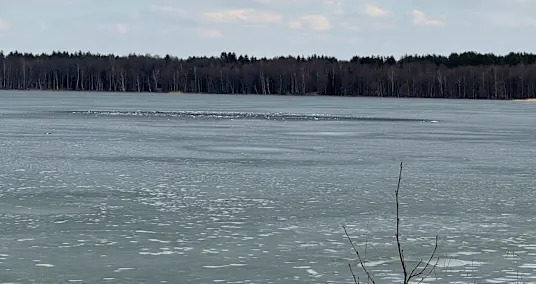
The birds migrate to the ocean in late fall and need a long runway to take off, meaning winter can be a treacherous time for the birds because they get trapped by ice in the lakes and ponds where they breed, said Barb Haney, executive director of Avian Haven, a wildlife rehabilitation center in Freedom, Maine.
“We're getting a lot of calls about loons that are iced in,” Haney said, adding that the center was tending to one such patient this week.
latest_posts
- 1
 Bother Control Administrations for 2024: Decide for Your Home
 - 2Thousands of Walgreens nasal spray bottles recalled. See which ones.
- 3UN chief warns he could refer Israel to ICJ over laws targetting UNRWA
- 4Instructions to Shield Your Gold Speculation from Possible Dangers: Fundamental Protections
- 5What’s the shadowy organisation taking Gaza Palestinians to South Africa?


- Revealing the Incomparable Realms: An Excursion through Power and Inheritance
- Understanding climate change in America: Skepticism, dogmatism and personal experience
- Chevron Says Damage at Wheatstone LNG Will Hamper Restart
- The Significance of a Land Lawyer for Your Business
- The Best Competitors of the 21st Hundred years
- Cells have more mini ‘organs’ than researchers thought − unbound by membranes, these rogue organelles challenge biology’s fundamentals
- 5 Eating routine Well disposed Snacks to Keep You Fulfilled
- Step by step instructions to Involve Compact disc Rates for Magnanimous Giving
- Ukrainian drones hit all three Baltic States − did Russia redirect them?